Medical image processing pipeline background
Image Processing Pipeline

End-to-End Image Processing Pipeline for Medical Imaging

A structured, AI-powered pipeline that transforms raw medical imaging data into high-quality, visualization-ready outputs with speed, accuracy, and scalability.

Automated Processing
AI-Driven Enhancement
High-Resolution Output
GPU-Accelerated

6

Pipeline Stages

GPU

Acceleration Path

DICOM

Input Ready

API

Output Delivery

Medical image processing workflow overview
From Raw Data to High-Quality Visual Output
Modular Flow

Structured Processing Across Ingestion, AI, Visualization, and Delivery

Medical imaging workflows involve multiple stages of data handling, processing, and transformation. Without a structured pipeline, these processes can become inefficient and inconsistent.

VolPixl's Image Processing Pipeline is designed to streamline the entire workflow, from data ingestion to final output generation.

By integrating AI models with optimized compute infrastructure, the pipeline ensures efficient processing, consistent output quality, and scalable performance.

Visualization-ready medical imaging pipeline output
Pipeline View

Visualization-Ready

Modular processing keeps each stage flexible while maintaining a structured flow from source data to final output.

Pipeline Overview

Structured Multi-Stage Processing Flow

A clear route from secure imaging input to visualization-ready output keeps teams aligned and workloads predictable.

Data Ingestion

Secure input

Preprocessing

Normalize data

AI Processing

Enhance and analyze

Post-Processing

Refine outputs

Visualization

Prepare rendering

Output

Export and deliver

Pipeline Stages

Every Stage Has a Clear Role

The pipeline is modular, allowing flexibility while maintaining a structured flow across all stages.

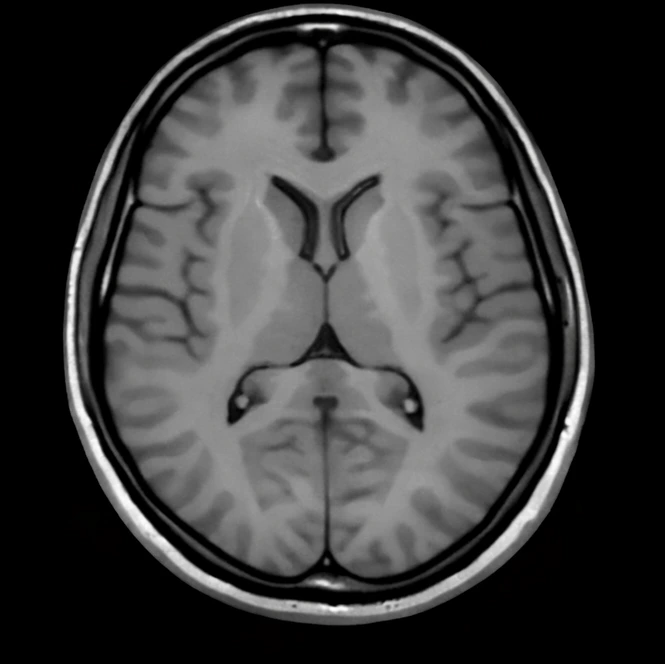
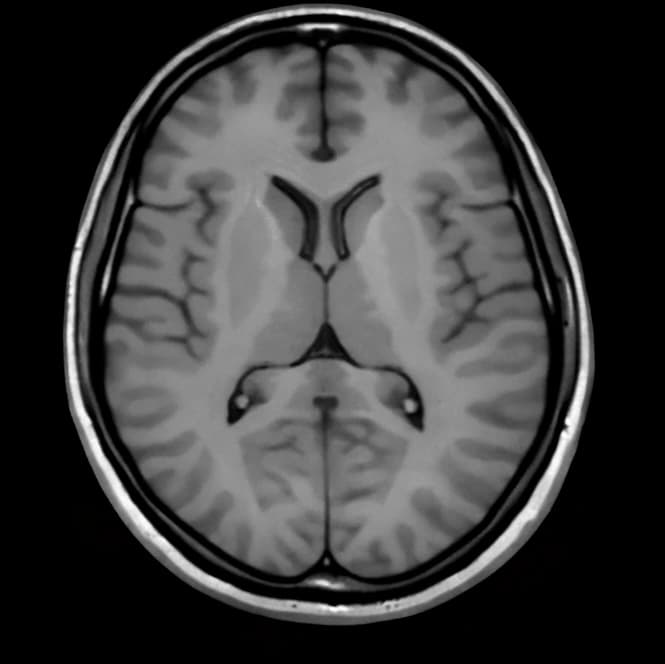
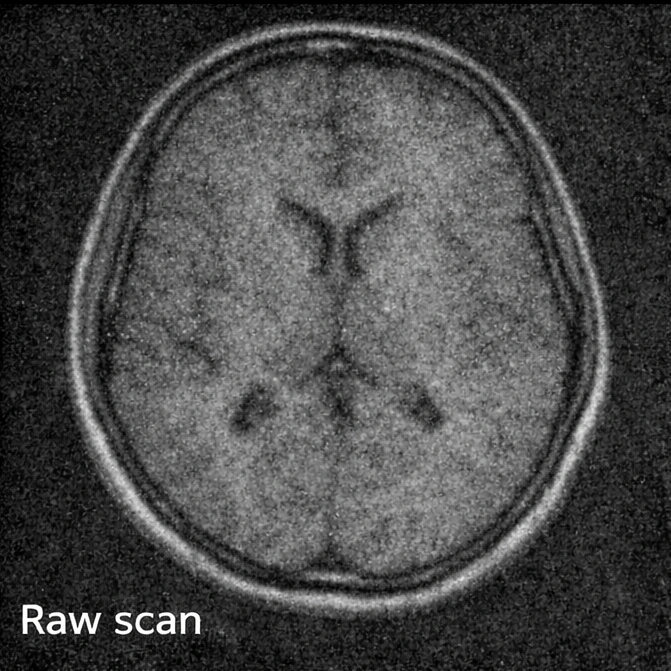
Raw medical imaging data entering the pipeline
Stage 01
Capabilities

Secure Input and Data Structuring

The pipeline begins with the ingestion of imaging data from various sources.

Support for DICOM and standard formats

Secure data upload and storage

Metadata extraction and indexing

Batch data ingestion

Medical imaging preprocessing and optimization view
Stage 02
Processes

Preparing Data for AI Models

Preprocessing ensures that input data is normalized and optimized for AI processing.

Image normalization

Noise filtering

Resolution alignment

Data validation

AI-enhanced medical image output
Stage 03
Includes

Core AI-Driven Enhancement and Analysis

AI models are applied to enhance and process imaging data.

Super-resolution enhancement

Noise reduction and denoising

Segmentation and ROI detection

Feature extraction

Refined enhanced medical imaging output
Stage 04
Processes

Refinement and Output Optimization

Post-processing ensures that outputs are consistent and ready for visualization.

Output smoothing

Artifact correction

Quality consistency checks

Format optimization

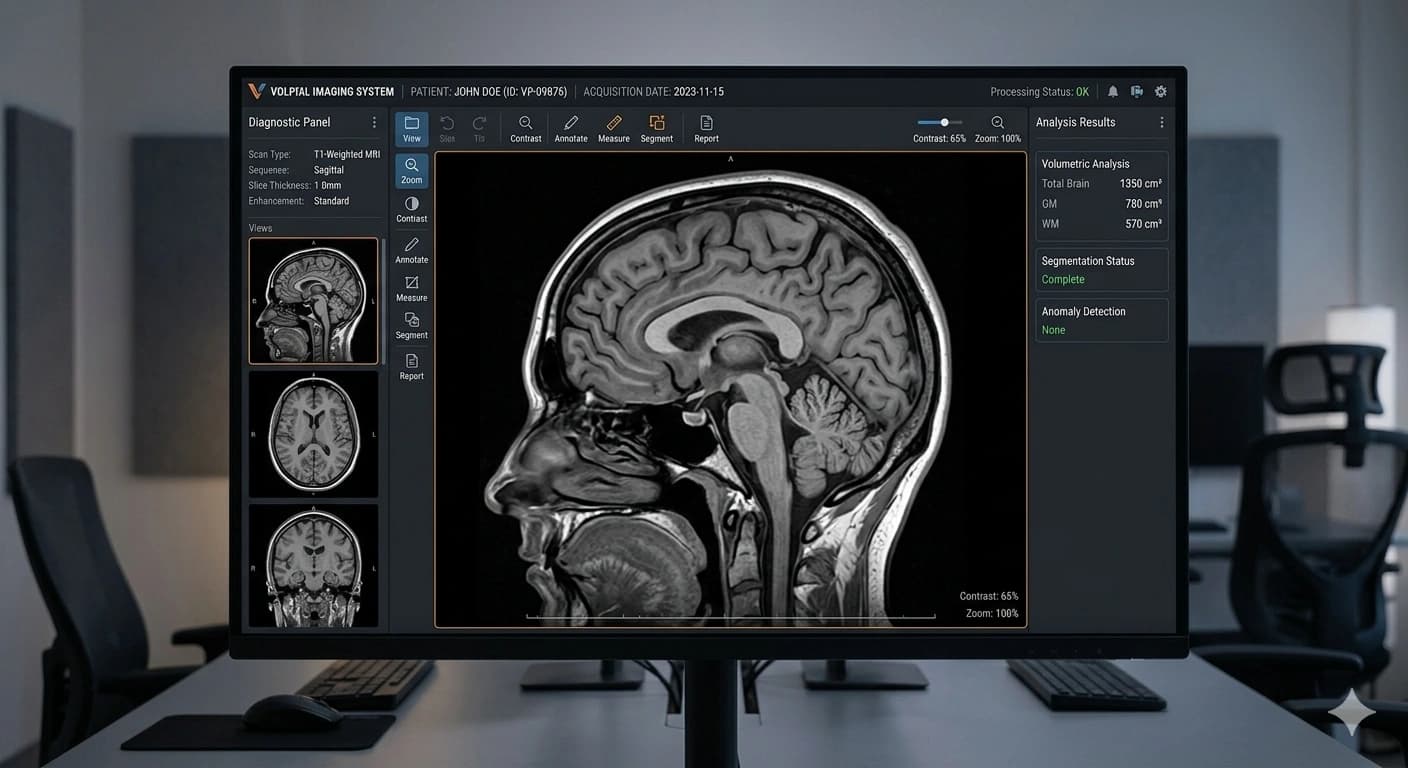
Visualization engine preparing medical imaging render data
Stage 05
Capabilities

Preparing Data for Rendering

Processed data is structured for visualization engines.

Data formatting for 2D/3D rendering

Multi-view alignment

Resolution optimization

Final output delivery through API and external systems
Stage 06
Options

Delivering Final Results

Final outputs are generated and delivered for use or integration.

High-resolution image export

API-based output delivery

Integration with external systems

Visualization-ready formats

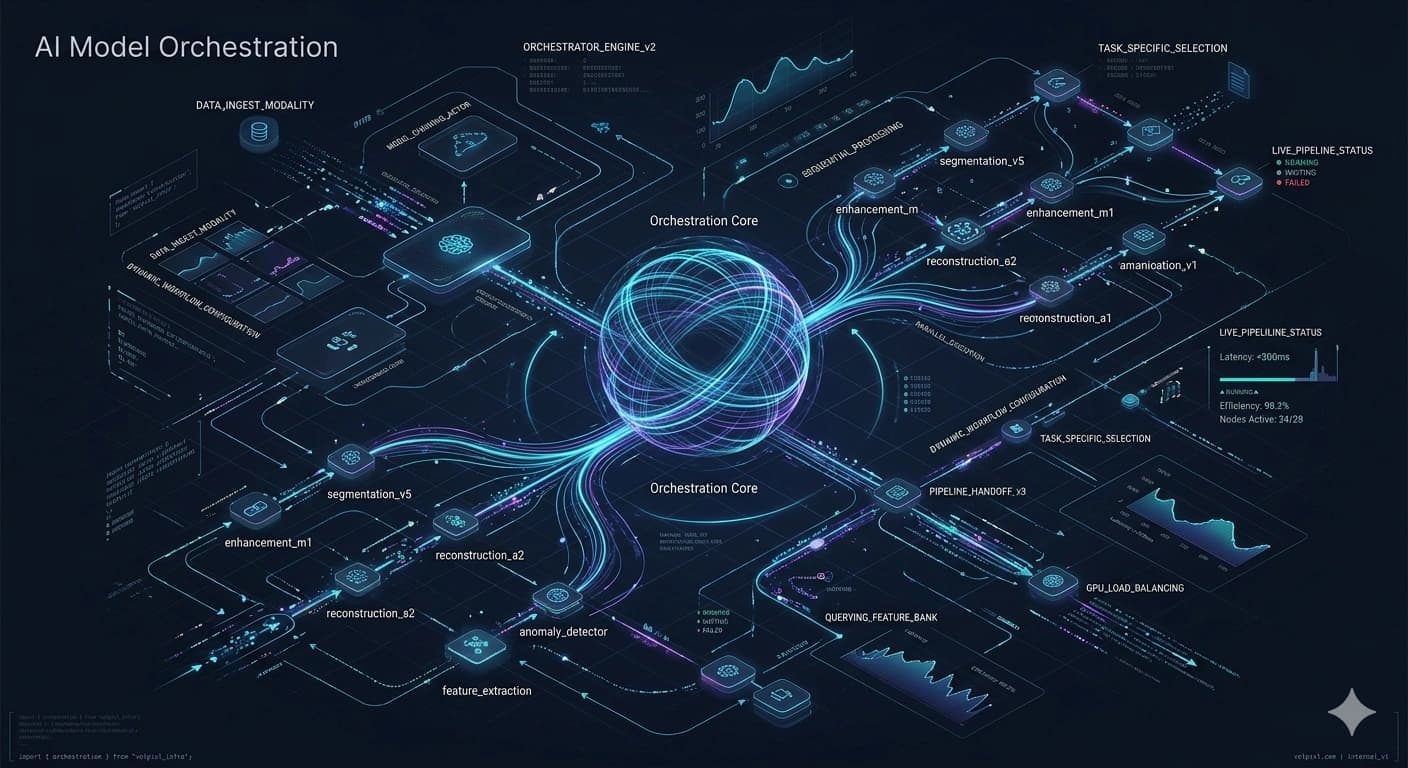
Automation and Orchestration

Automated Pipeline Execution

The pipeline is designed for automation to reduce manual effort and improve efficiency.

Workflow scheduling

Batch processing

Task orchestration

Error handling and retry mechanisms

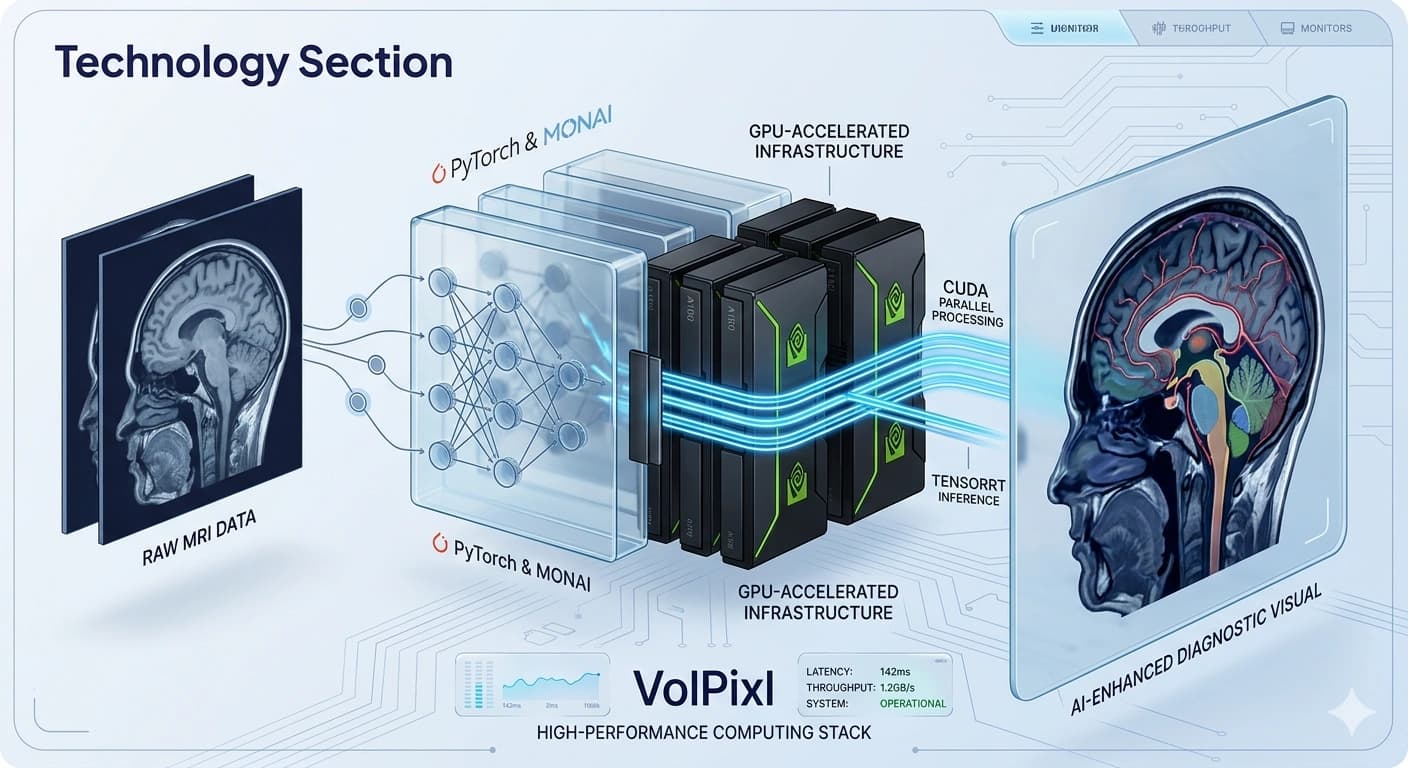
Performance Optimization

Optimized for Speed and Efficiency

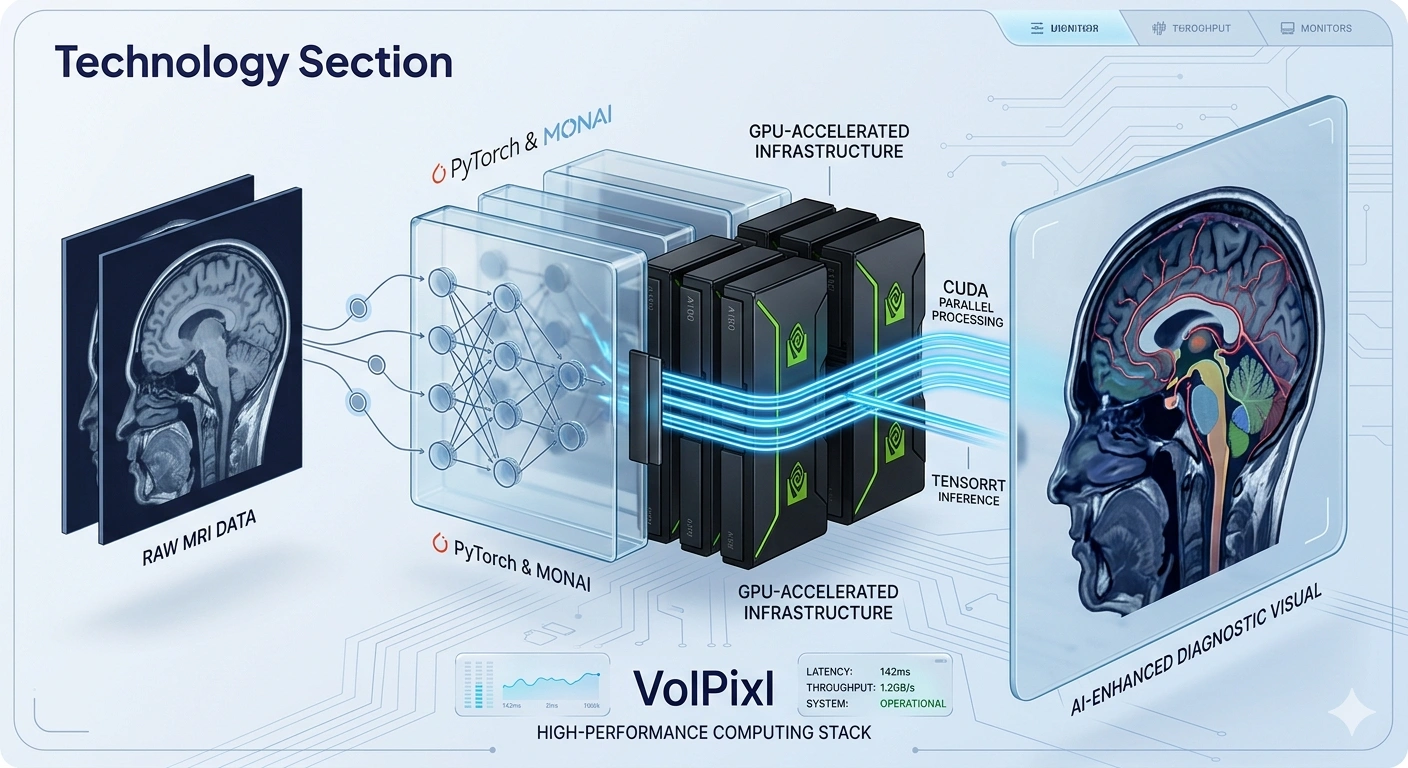
The pipeline incorporates multiple optimization techniques to ensure high performance.

GPU-accelerated processing

CUDA-based parallel computation

TensorRT-optimized inference

Efficient memory management

Scalability

Designed for High-Volume Workloads

The pipeline supports scalable processing across large datasets.

Parallel processing pipelines

Multi-GPU support

Horizontal scaling

Load balancing

Integration and Interoperability

Seamless Integration Across Systems

The pipeline integrates with existing imaging systems and workflows.

DICOM compatibility

API-based integration

Integration with PACS systems

Flexible deployment options

Use Cases

Pipeline in Action

The same structured pipeline supports operational imaging workflows, enhancement, research, and application-level integration.

High-Volume Imaging Processing
Throughput

High-Volume Imaging Processing

Efficiently process large datasets in hospitals and radiology centers.

Image Enhancement Workflows
Enhancement

Image Enhancement Workflows

Improve image quality using AI-driven processing.

Research Data Processing
Research

Research Data Processing

Handle complex datasets for analysis and visualization.

Application Integration
API Ready

Application Integration

Enable startups to integrate imaging pipelines via APIs.

Benefits

Why VolPixl Image Processing Pipeline

A unified pipeline reduces manual work, improves consistency, and keeps imaging workloads ready for enterprise scale.

End-to-end automation

Faster processing times

Consistent output quality

Scalable for enterprise workloads

Seamless integration

Pipeline CTA

Streamline Your Imaging Pipeline with AI

Leverage a structured, high-performance pipeline to process and enhance medical imaging data efficiently.